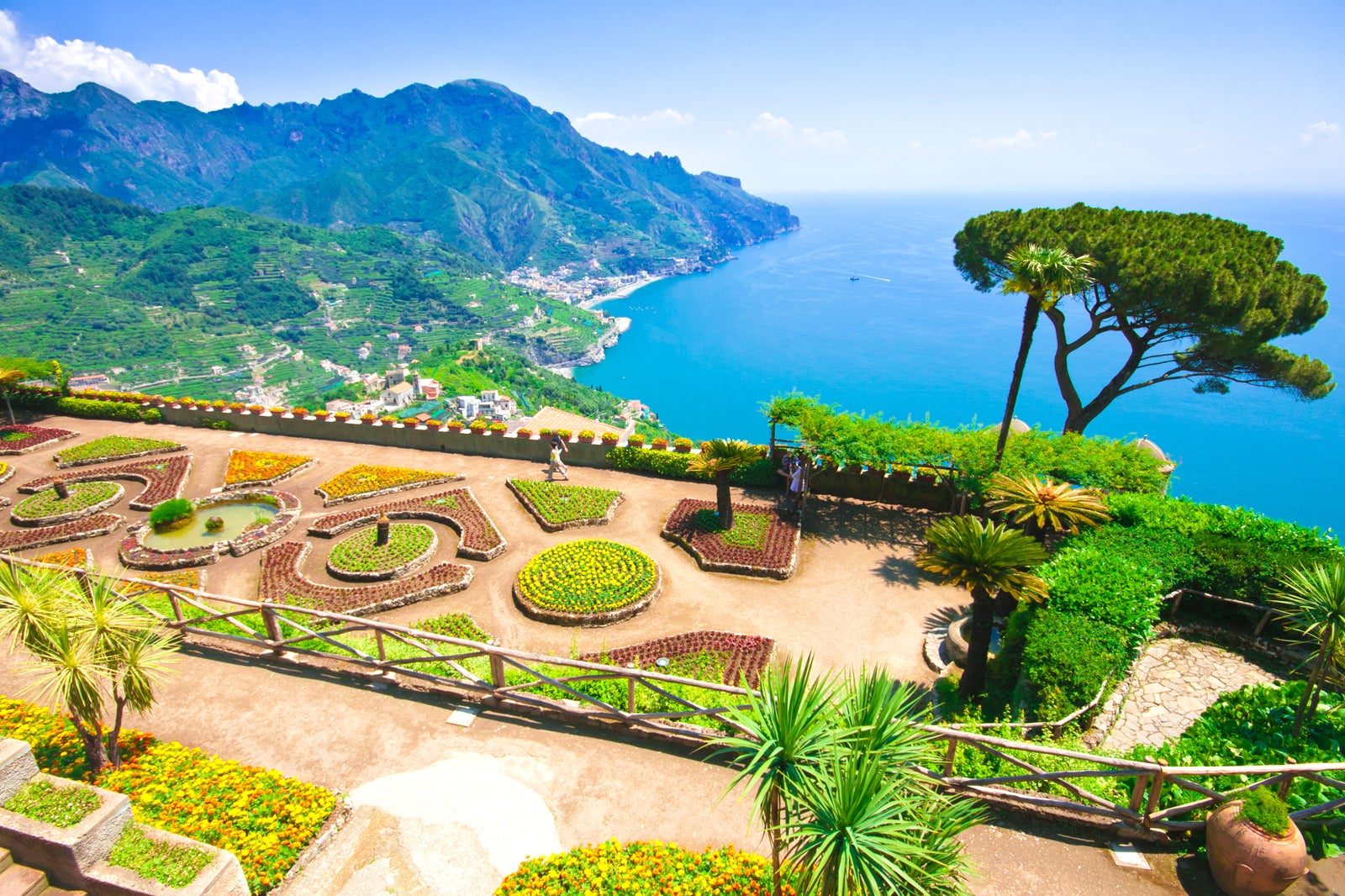
Ravello
7 km
Located above Amalfi, this town offers gardens and villas that provide a quiet contrast to the coastal bustle. Visiting both allows for a balanced view of architecture and sea vistas.
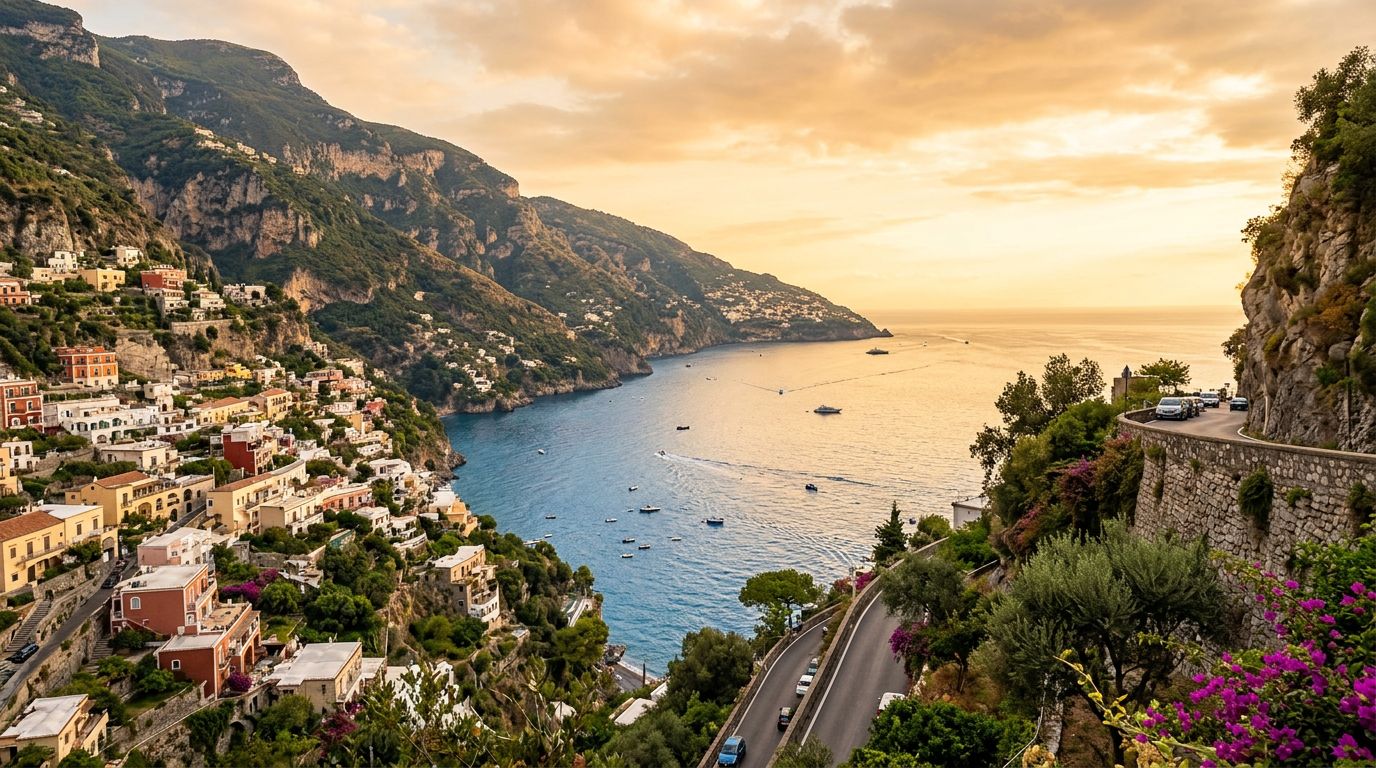
The Amalfi Coast spans 50 kilometers of vertical villages, switchback roads, and terraced lemon groves between Positano and Vietri sul Mare. Three days gives you enough time to cover the essential towns—Positano, Amalfi, and Ravello—while leaving room for one trail hike or a boat trip along the coast. This guide organizes your days by geography and logistics, not ambition.
Quick answer
A three-day itinerary on the Amalfi Coast typically splits time between Positano, Amalfi town, and Ravello, with optional extensions to Praiano or Atrani. Day one covers Positano's beaches and cliffside lanes. Day two focuses on Amalfi town—including the cathedral (open 09:00–19:45 daily, €3 entry for the Cloister of Paradise)—and a late-afternoon visit to Ravello's Villa Cimbrone or Villa Rufolo. Day three adds either the Path of the Gods trail from Bomerano to Nocelle or a boat excursion to Furore Fjord and Conca dei Marini.
The Amalfi Coast has no through-train and no coastal highway wide enough for tour buses to pass each other without reversing. What it does have is a single-lane cliff road, a ferry network that runs April through October, and a dozen villages stacked so vertically that some count their elevation in staircases rather than meters. A three-day visit to the Amalfi Coast requires you to pick a base—most choose Amalfi town for its central location and year-round ferry connections—and then move outward by boat, bus, or hired driver. Positano anchors the western end of the coast. Its pastel houses cascade down to Spiaggia Grande, a narrow pebble beach where fishing boats share space with sunbeds. The town has no flat streets—every shop, restaurant, and hotel sits at the end of a staircase—so plan two hours just to walk from the upper bus stop to the waterfront and back. Arrive before 10:00 or after 16:00 to avoid the day-trip crowds. Amalfi town, the coast's medieval capital, centers on Piazza del Duomo and its Arab-Norman cathedral. The cathedral's Cloister of Paradise, reached by a 62-step exterior staircase, opens at 09:00 daily and sees its lightest foot traffic before 11:00. The €3 entrance fee includes access to the crypt, cloister, and diocesan museum; the nave itself is free. Ravello sits 365 meters above sea level, a 25-minute bus ride from Amalfi. Its two villa gardens—Villa Cimbrone and Villa Rufolo—offer the coast's widest views, stretching from Paestum to Capo d'Orso. The Path of the Gods (Sentiero degli Dei) is the coast's most-walked trail, a 7.8-kilometer route that begins in the mountain hamlet of Bomerano and descends through olive terraces to the village of Nocelle, 450 meters above Positano. The trail is unshaded and requires stable footwear; allow three hours walking time plus an additional hour for the bus transfer from Amalfi to Bomerano. An alternative to hiking is a boat trip from Amalfi to smaller villages like Praiano, Furore, and Conca dei Marini, where the coast's limestone cliffs drop directly into the sea. Ferries run frequently in summer but reduce service after mid-October. Three days gives you time to see the essential villages, complete one trail or boat excursion, and still leave an afternoon free for a slower meal or a swim. The coast rewards early starts—buses and ferries fill quickly after 10:00, and the midday heat between June and September makes walking uncomfortable. If your three days fall on a weekend, book restaurants in advance; the coast's dining capacity is smaller than its visitor numbers suggest.
“The Amalfi Coast has no through-train and no coastal highway wide enough for tour buses to pass each other without reversing.”
This three-day itinerary balances the coast's main towns with boat transfers and cultural landmarks, suitable for first-time visitors who want a grounded overview without rushing. Each day targets a different hub to minimize backtracking.
Start in Positano to explore the tiered streets and Chiesa di Santa Maria Assunta before midday crowds arrive. Allow two hours for walking and photos.
Transfer to Amalfi by ferry (30 minutes) and visit the Duomo di Amalfi between 14:00–16:00, climbing the 62 steps to see the Cloister of Paradise and crypt. The 3 EUR fee covers all interior zones.
Take the inland bus to Ravello (25 minutes) and tour Villa Rufolo or Villa Cimbrone for terraced gardens and panoramic viewpoints. Allocate 90 minutes per villa.
Descend on foot to Atrani (30-minute trail) for a quieter piazza lunch, then continue to the Valley of the Mills if time permits before returning to Amalfi.
Drive or bus west to Praiano's San Gennaro beach or Furore's cliffside fjord for less-touristed coastal access. Swimming depends on sea conditions.
Book a half-day guided visit to a hillside vineyard or limoneto to see terraced agriculture and taste regional products. Most tours run 14:00–17:00 and include transport.
The period from April to May and September to October offers the most favorable balance of mild temperatures and manageable visitor numbers. Planning activities during these shoulder months ensures a more navigable experience while maintaining access to coastal amenities.
Mild, 15°C to 22°C. Ideal for outdoor activities and coastal walks before the summer heat arrives.
Warm to hot, 25°C to 30°C. Popular for beach activities but requires early starts to manage crowd density.
Pleasant, 18°C to 26°C. The sea remains warm enough for swimming, and the peak summer crowds begin to dissipate.
—. Arriving at major sites between 09:00–11:00 provides better lighting for photography and avoids the heaviest midday peaks.
Verdict: Visit between Tuesday and Thursday during the months of April, May, October, or early November, prioritizing arrival at sites between 09:00 and 11:00.
The Amalfi Coast is connected by the SS163 coastal road and maritime routes between major towns. For a three-day visit, utilizing the public ferry network is the most efficient way to travel between hubs.
SITA Sud bus between Sorrento and Amalfi
Travelmar ferry between Salerno and Amalfi
SS163 road (Amalfitana)
Private transfer via SS163
When visiting the Amalfi Cathedral at Piazza del Duomo, 84011 Amalfi SA, Italy, plan your arrival between 09:00–11:00. This window avoids midday crowds and heat while providing optimal lighting for photography.
Combining a visit to the Amalfi Cathedral with nearby locations allows you to balance coastal history with the elevated landscapes of the region. These sights are positioned to fit within a three-day itinerary.
7 km
Located above Amalfi, this town offers gardens and villas that provide a quiet contrast to the coastal bustle. Visiting both allows for a balanced view of architecture and sea vistas.
15 km
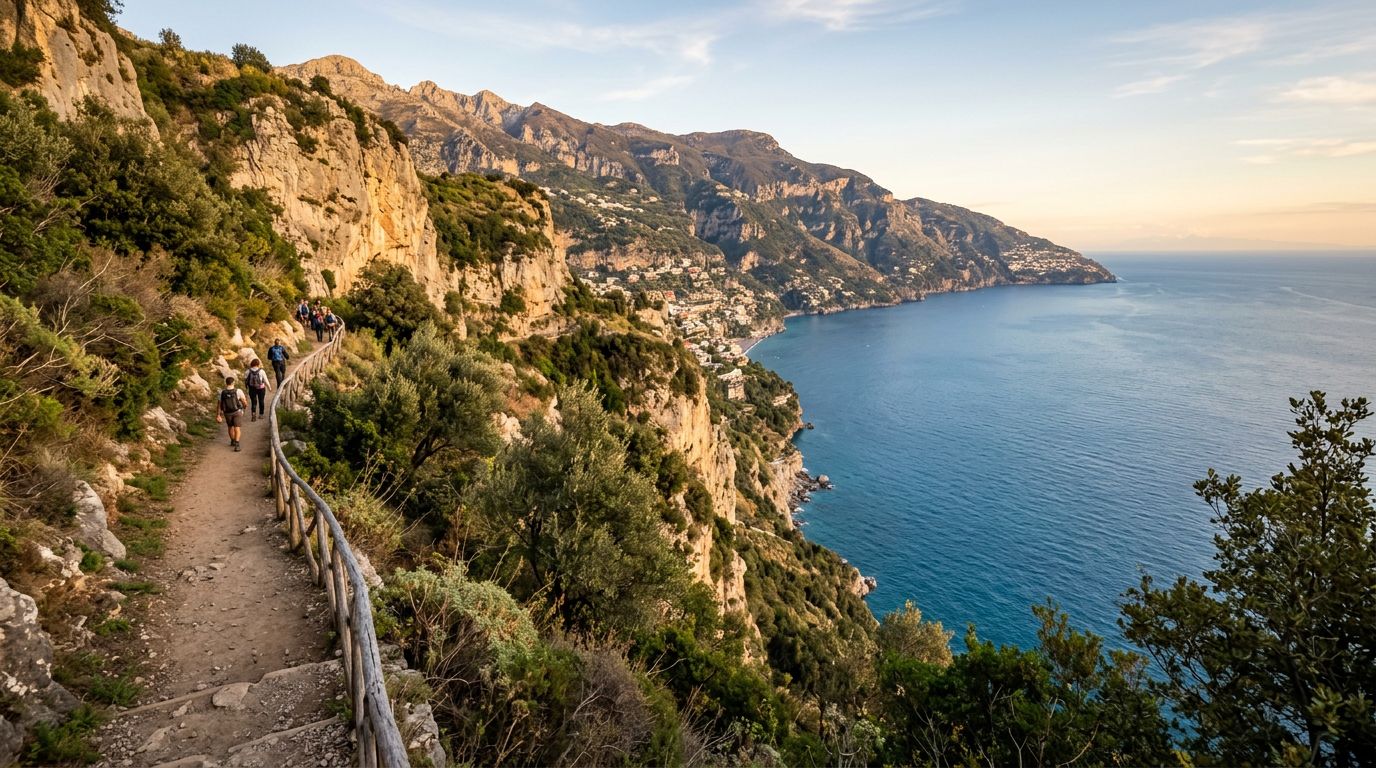
This hiking trail connects Agerola to Nocelle, offering high-altitude views of the coastline. It serves as a natural counterpart to the urban exploration of Amalfi's center.
1 km
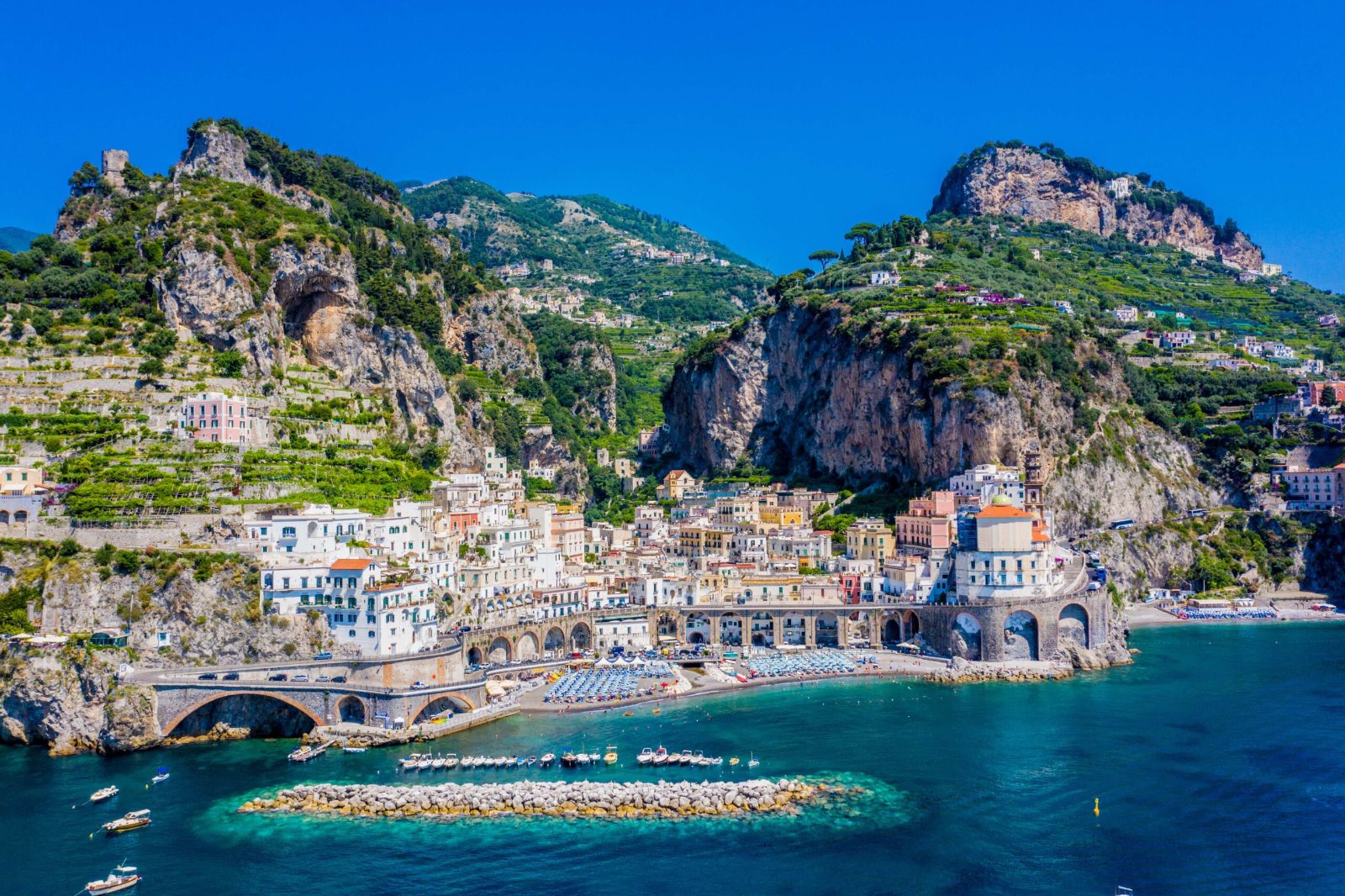
As one of Italy's smallest municipalities, Atrani is reachable on foot and preserves a traditional atmosphere. It is an ideal follow-up for those exploring the immediate surroundings of the cathedral.
3 km
Known for its Roman maritime villa, Minori provides historical context that complements the medieval focus of Amalfi. It is easily accessible for a short afternoon visit.
The Cathedral of Amalfi maintains consistent daily opening hours throughout the week. Visitors should note that access requires climbing 62 steps.
Access to the Cathedral of Amalfi is structured to provide entry to the main nave free of charge, while the complex historical sites require a modest admission fee. This fee covers the Cloister of Paradise, the crypt, and the museum.
Verdict: A typical adult pays 3 EUR to access the complete historical complex, while entry to the nave remains free.
Everything you need to know about what to do in amalfi coast in 3 days
For those wondering what to do in amalfi coast in 3 days, prioritize balancing coastal village exploration with local experiences like vineyard visits. Spreading your time across towns like Amalfi, Positano, and Ravello allows for a meaningful pace. Effective planning ensures you see top Amalfi Coast landmarks while avoiding the midday rush. Focus on high-impact sites to make the most of what to do in amalfi coast in 3 days. A 3-day visit provides a solid introduction to the region, though travelers often return to delve deeper into hidden coves and mountain trails. By focusing on central hubs, you can experience the essence of the coastline without feeling rushed. This duration is ideal for blending cultural excursions with regional gastronomy. To avoid crowds and enjoy better photography conditions, the best arrival window at the Amalfi Cathedral is 09:00–11:00. Arriving early also helps you beat the peak heat of the day. Consistent timing throughout the morning enhances your visit to these historic sites. Entry to the Amalfi Cathedral nave is free, while the Cloister of Paradise, crypt, and museum require a 3 EUR entrance fee. Ensure you have the exact change or a payment method ready upon arrival. These funds support the maintenance of the religious complex. Accessing the Amalfi Cathedral requires climbing 62 steps. Visitors with mobility concerns should take note of this architectural feature before planning their visit. The effort is rewarded by the striking facade and the surrounding Piazza del Duomo. Integrating vineyard visits into your plans is a popular choice for those researching what to do in amalfi coast in 3 days. You can easily pair coastal sightseeing with a professional wine tour to taste regional varietals. Browse our available wine experiences to complement your itinerary.